Clean Energy Regulator (CER) - Website Redevelopment
UX / UI
Featured
UX/UI Design
User research
Usability Testing
Design System
SUMMARY
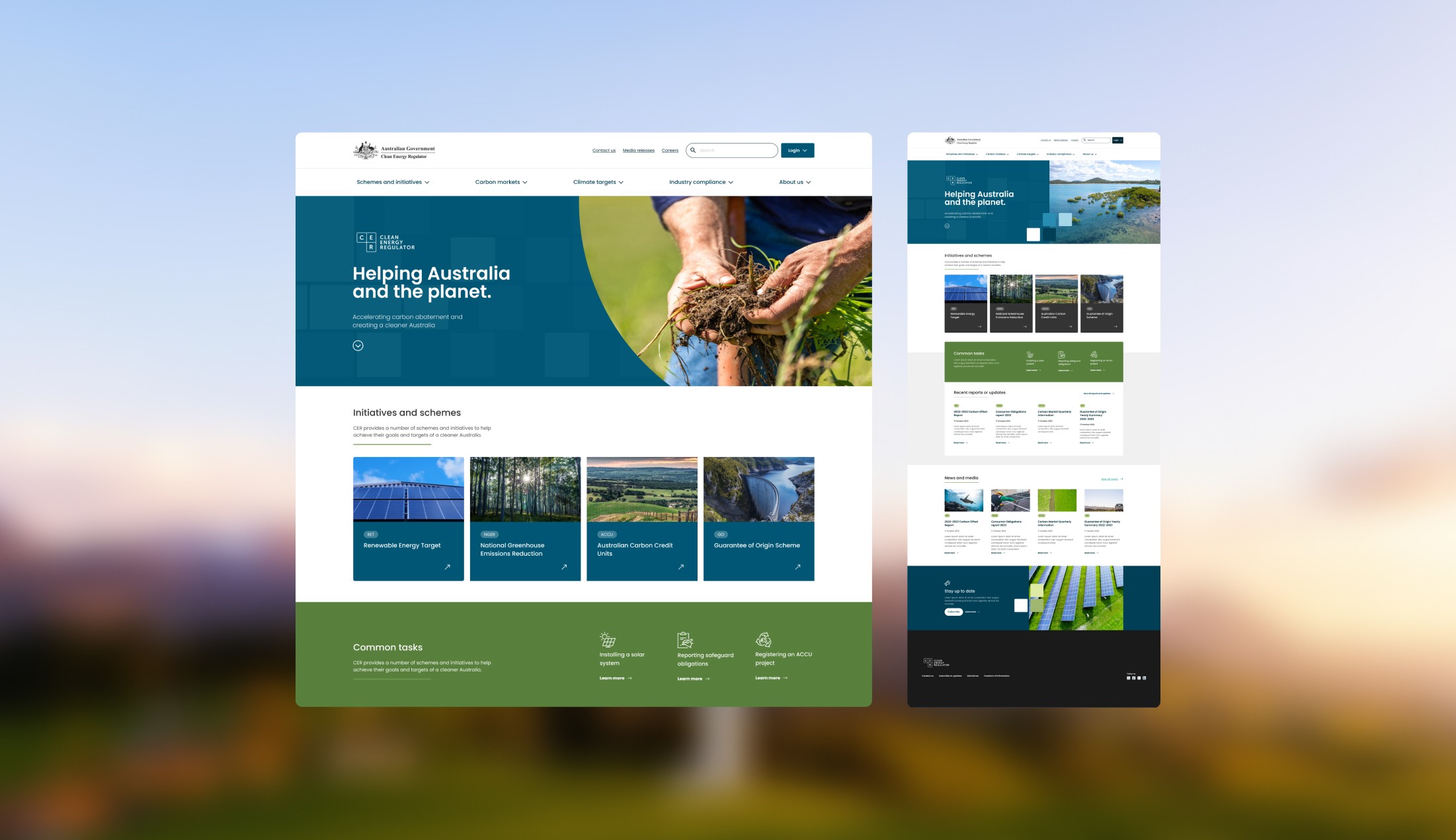
Designing a fresh user experience for the face of clean Australia.
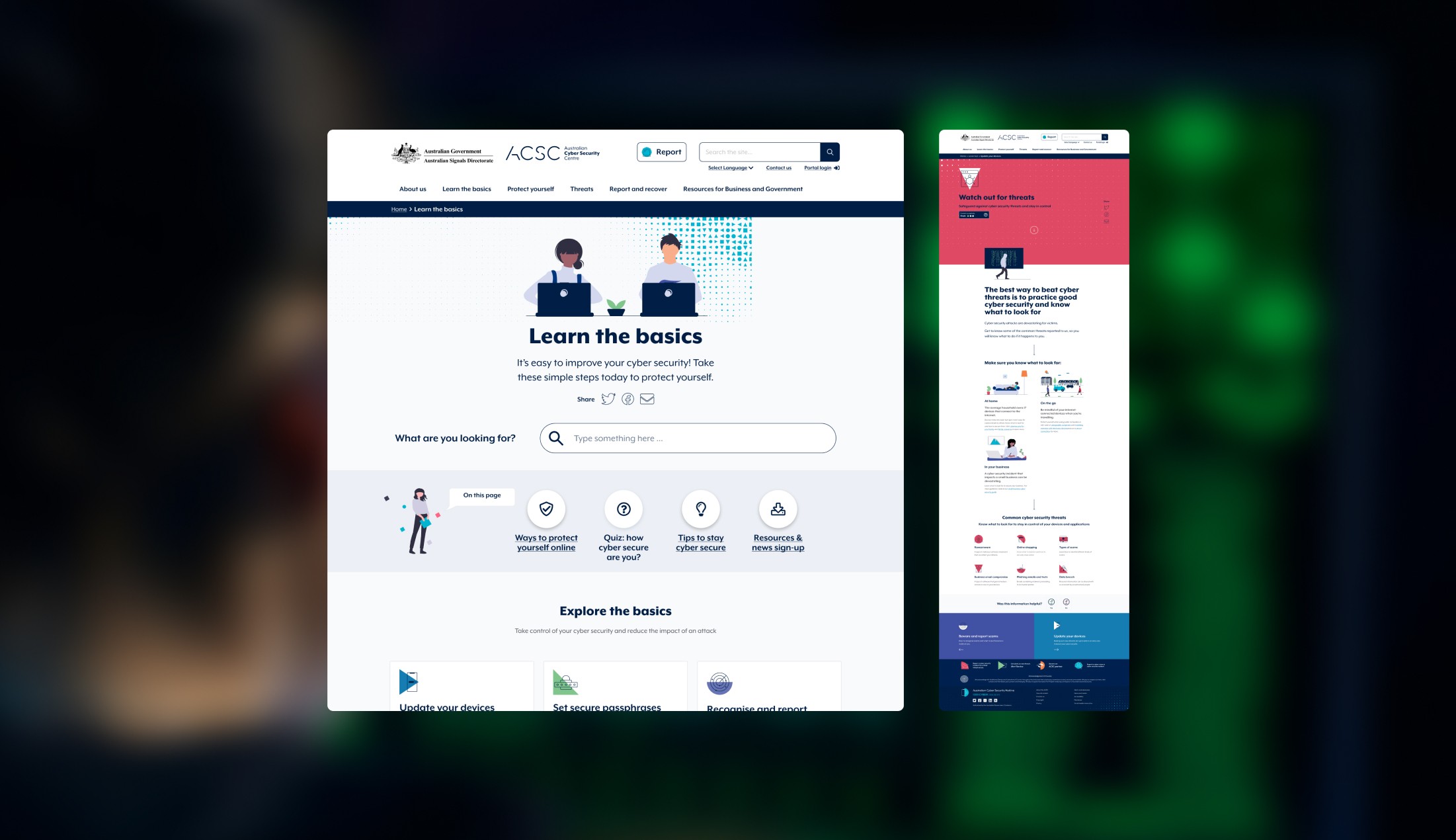
As Lead User Experience Designer for the Clean Energy Regulator (CER) website redesign project, I was responsible for delivering the user experience vision for an improved experience that would deliver on CER’s new identity for their front-facing website. I guided the project through key phases, from discovery, usability testing, prototyping and shaping a strategic vision that aligned with organisational goals.
This included :
Conducting workshops and analysing in-depth user sentiment research.
Shaping a strategic vision for design aligned with the organisation’s goals.
Creating wireframes, high-fidelity prototypes and a robust, flexible design system.
Working closely with developers during the final implementation phase to ensure design accuracy.
As a result of the work we did on this project, the new website was nominated and won runner-up for DrupalSouth Splash Awards 2025 in the category of Design and User Experience.
DISCOVERY
Discovery, workshopping and understanding the challenge
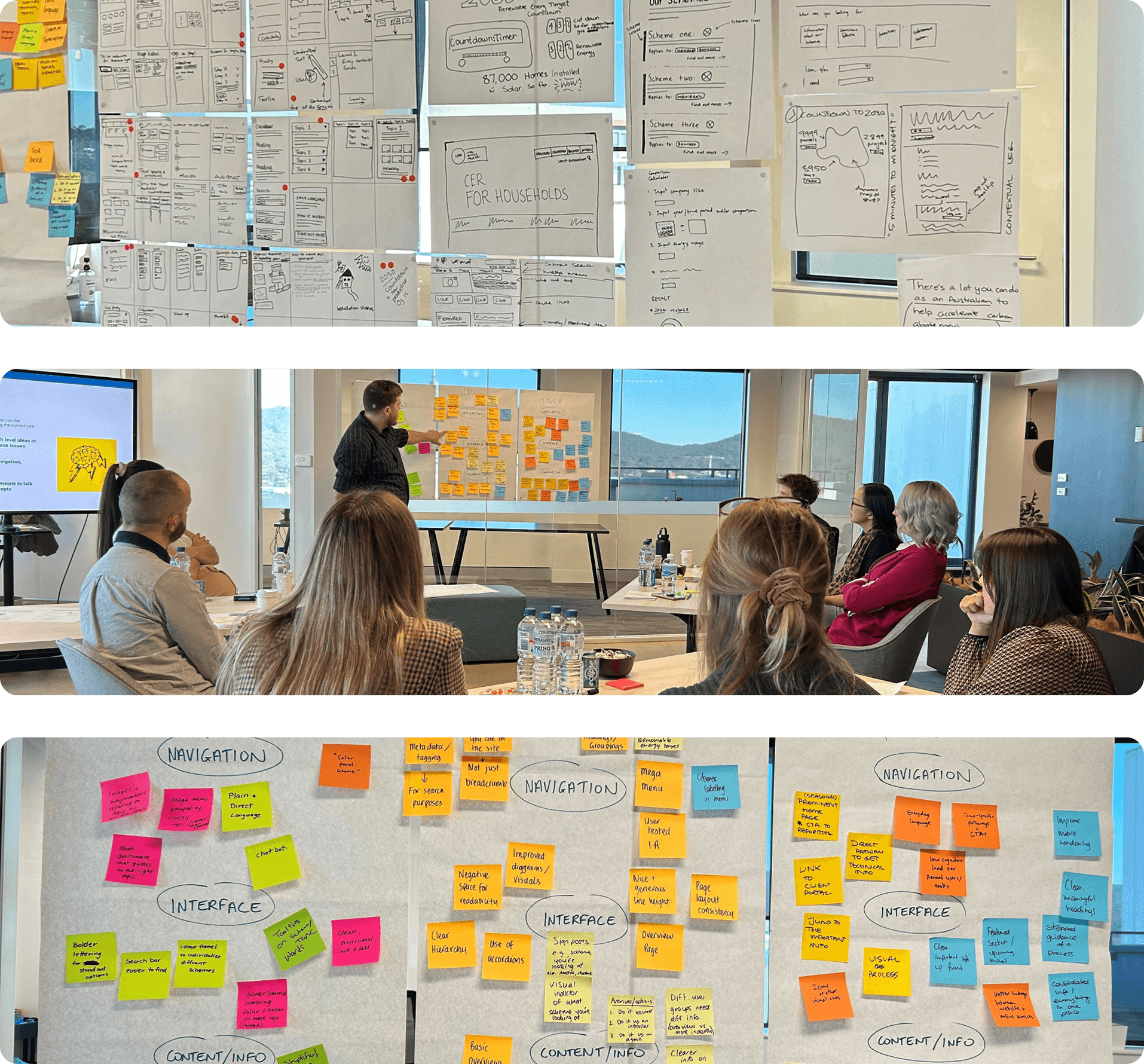
In the initial phases of the project, I successfully led a series of design workshops with key CER stakeholders and the project team. The goal was to include all members of the project early in the design process.
We actively explored organisation goals and objectives, user pain points and journeys, ideas for improvements and innovation - which resulted in a number of concepts which helped lay the groundwork for future design concepts and ideation. These workshops included running a series of exercises which involved design analysis, heuristic evaluations and sketching (e.g. Crazy 8).
These sessions were vital in providing a clear understanding of design goals and objectives as we moved into the next phase, and helped the client feel involved from the very beginning of the design process.
WIREFRAMING
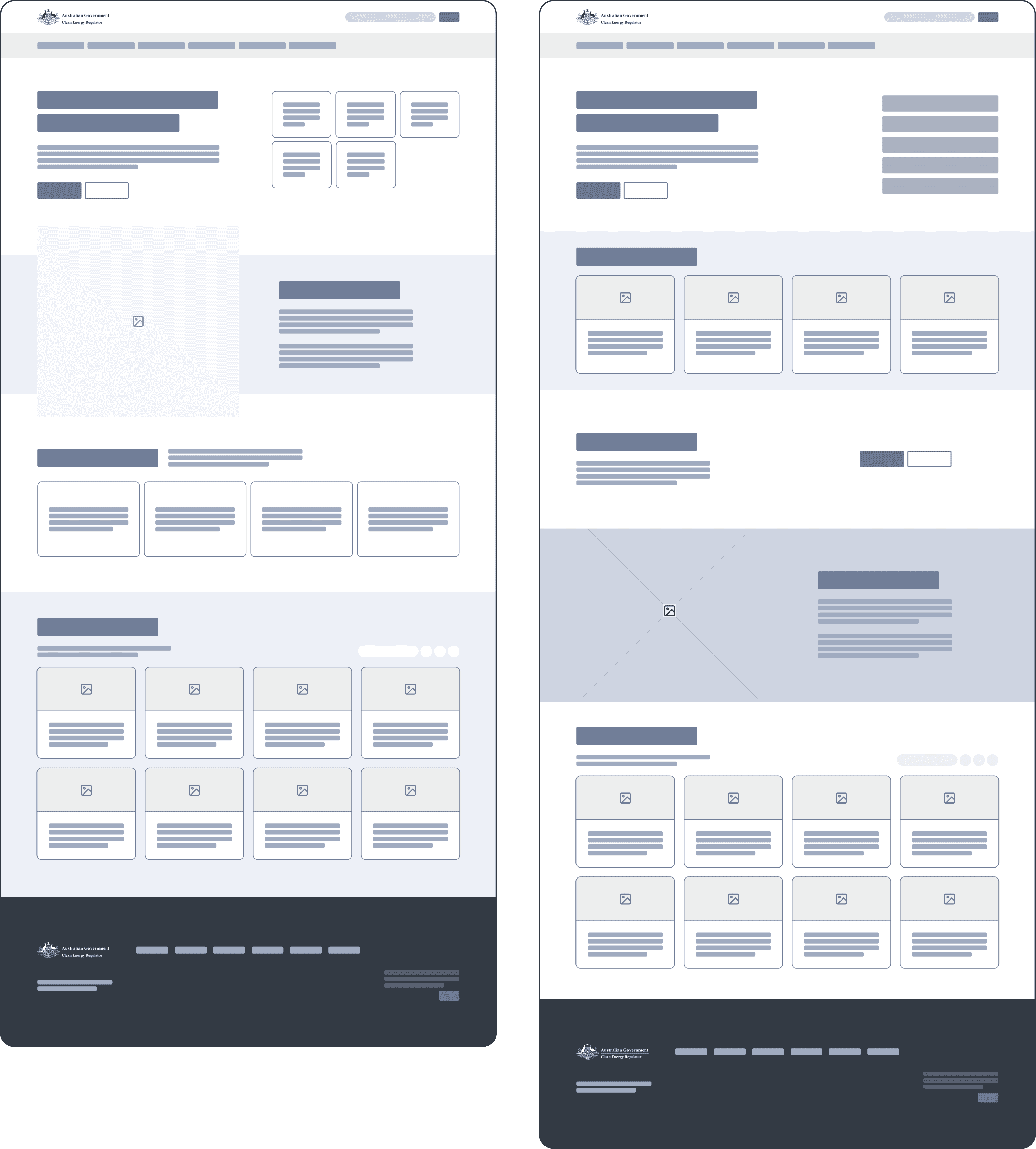
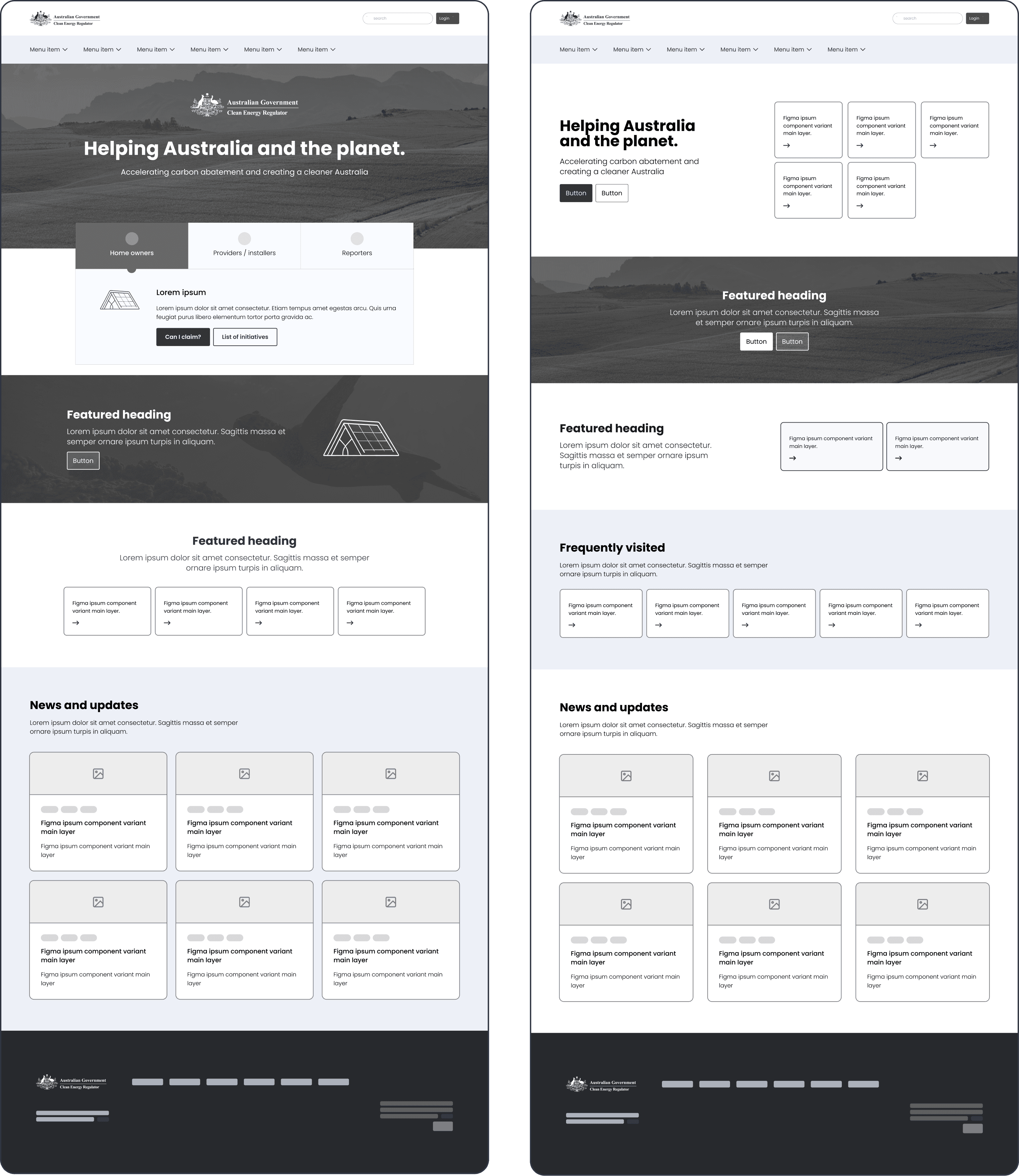
Exploring early design concepts through wireframing
Previous research from users and stakeholders was synthesised and analysed through a variety of sessions conducted by the design team. For example, I provided website audits to better understand friction points based on industry standard usability heuristics (such as Nielsen Norman’s 10 Usability Heuristics) and the Digital Service Standards (DSS).
This helped us gain a clearer picture of the pain points and potential opportunities for improvement of the current website. Using this information, I conducted extensive conceptualisation and iteration to understand potential solutions and paths to explore.
These concepts allowed for initial feedback from stakeholders and fellow designers, creating a launching point into the first round of usability testing.
USABILITY TESTING
Creating high fidelity designs for usability testing
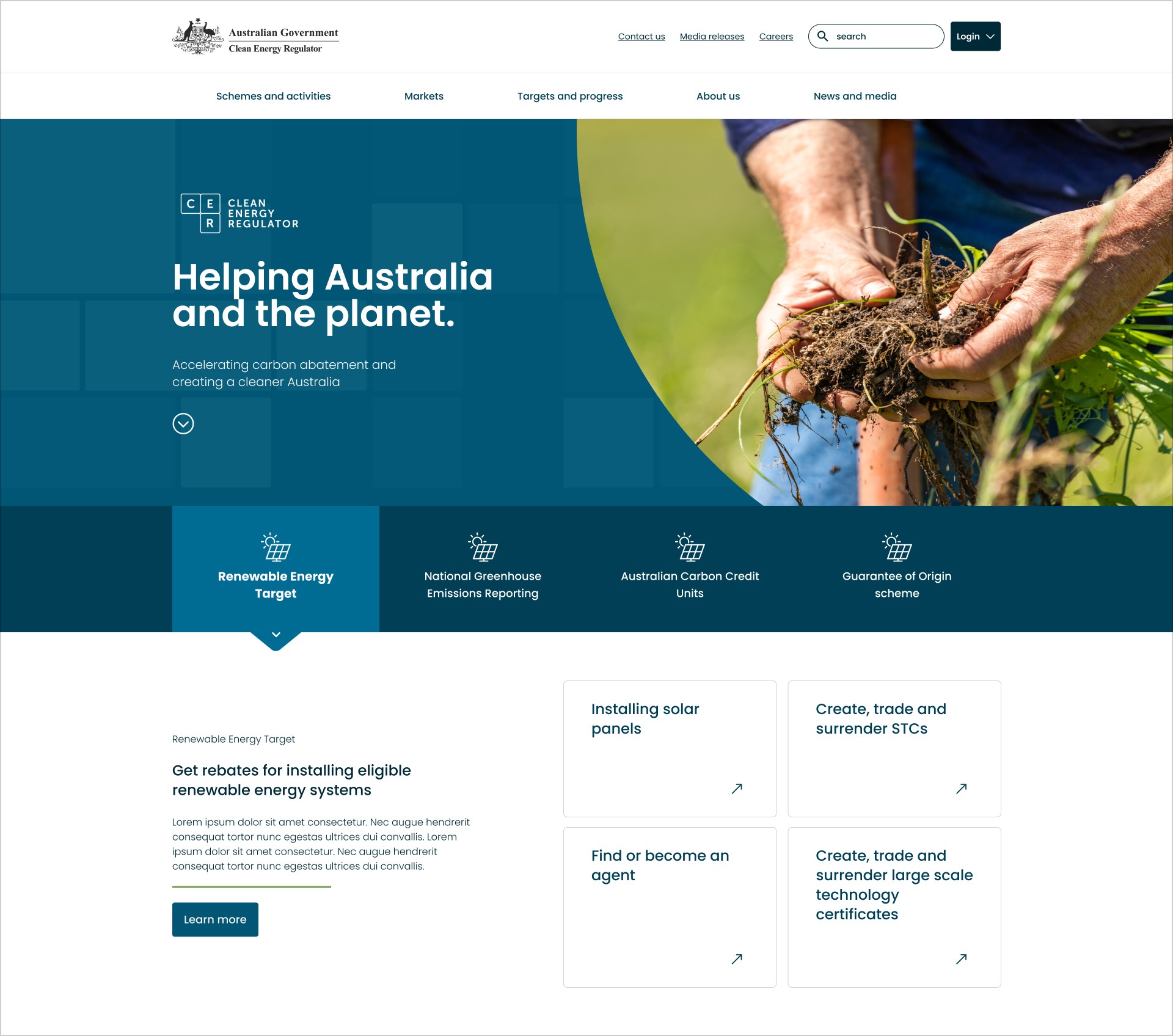
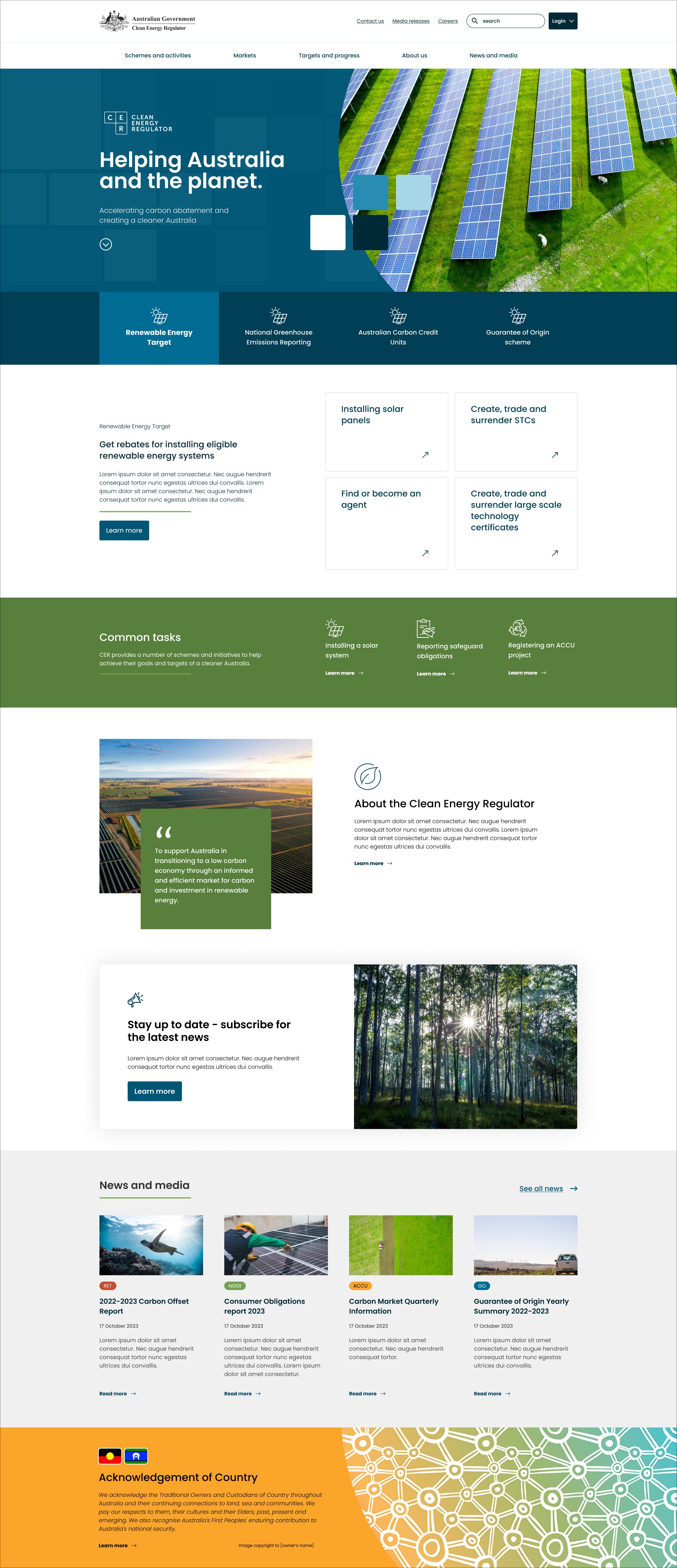
Utilising the synthesised data and insights from the conceptualisation phase, I moved into iterative prototyping development - where concepts were further fleshed out into higher fidelity prototypes which were then shown to users to gather feedback.
The goals of this phase included:
Establish common design principles and define how they will impact the user experience for this particular product (i.e. accessibility, responsive design and establish high-level user goals and objectives)
Ensure designs meet user expectations in regards to the design style and establish a distinct look-and-feel for the final product.
Test users ability to intuitively navigate the new user interface and information architecture using clickable prototypes.
These user testing sessions were conducted over several months, including several rounds of iteration between designs to reflect comments and feedback. As a result, we were confident that the designs were matching user expectations and improved on the usability of the site as we moved into the next phase of design.
DESIGN SYSTEM
Design system and implementation support
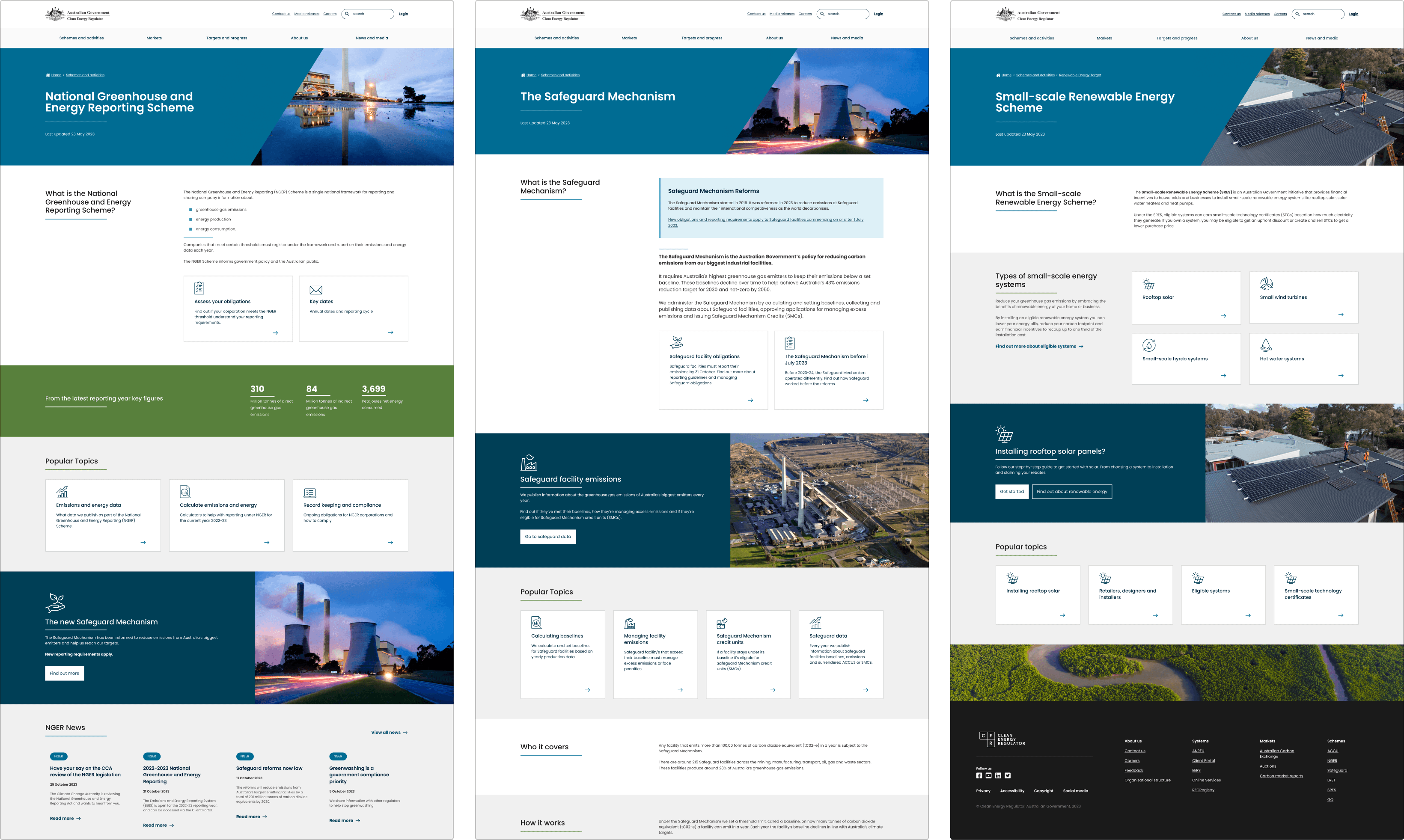
After a design direction was selected and thoroughly tested, the project entered the final stage of implementation. I worked hand-in-hand with developers to help create the vision which was agreed upon for the final product.
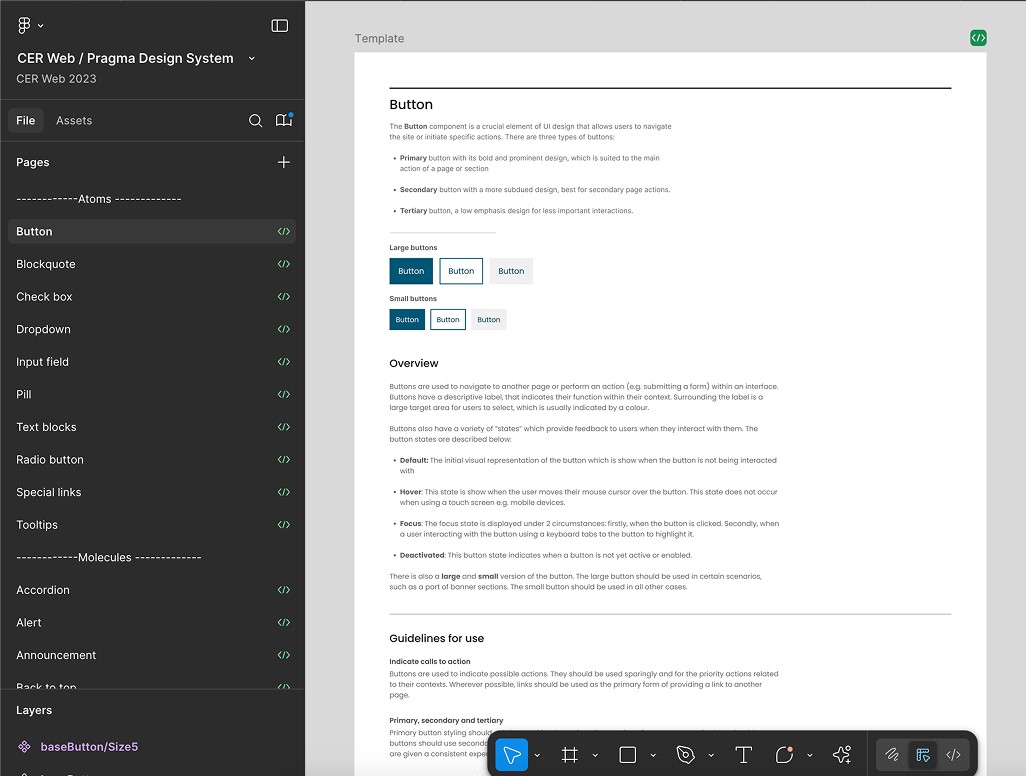
In addition, a robust and flexible Design System was developed, leveraging the existing work done during the prototyping phase. The design system worked off an atomic system, utilising smaller building blocks to construct larger components, and even full blown templates.
The design system gave developers, stakeholders and content managers the confidence to understand how to implement the site according to established design patterns - and also provided an ability for other designers to build out new page types, content and examples moving forward after handover.